




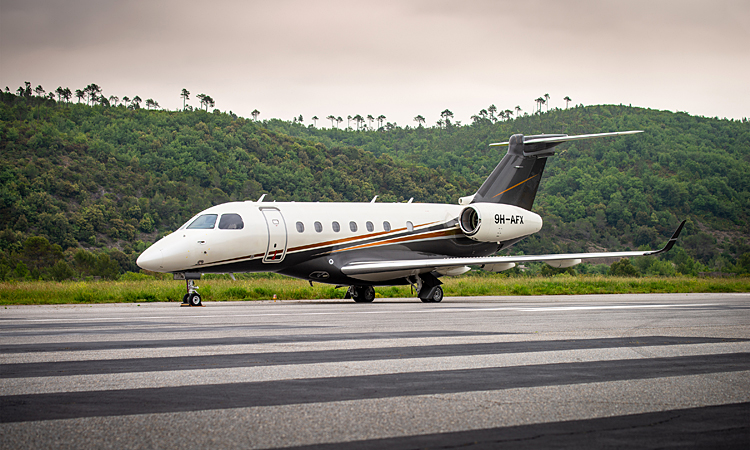
By combining aircraft brokerage, acquisition advisory, fleet planning, aircraft management, operational support, maintenance services, and fractional ownership under a single umbrella, Flexjet is steadily constructing what could be described as a business aviation ecosystem
The acquisition of London-based aircraft brokerage and advisory firm The Jet Business by Flexjet is, on paper, a relatively straightforward transaction. A major private aviation company has purchased a well-known brokerage, and its founder, Steve Varsano, has been appointed President of the acquiring company. Yet the significance of the deal extends far beyond aircraft sales.
The acquisition appears less like a conventional corporate purchase and more like a strategic move designed to accelerate Flexjet's evolution into a broader aviation services platform
In an industry where acquisitions are often driven by fleet expansion, geographical reach, or operational efficiencies, this transaction stands out because it touches multiple areas at once. It strengthens Flexjet's presence in Europe, expands its advisory and brokerage capabilities, enhances its visibility among prospective customers, and brings one of the most influential figures in modern business aviation into a senior leadership role.
Viewed through that lens, the acquisition appears less like a conventional corporate purchase and more like a strategic move designed to accelerate Flexjet's evolution into a broader aviation services platform.
When Steve Varsano founded The Jet Business in London in 2011, he introduced a concept that was largely unheard of in corporate aviation. Aircraft brokerage had traditionally been a relationship-driven business conducted through private meetings, industry networks, and confidential negotiations. The Jet Business took a different approach. Operating from a street-level showroom in London's Mayfair district, the company sought to make aircraft acquisition more accessible, transparent, and visible.

The showroom itself became a talking point. Clients could compare aircraft, evaluate cabin layouts, and discuss transactions in an environment that felt closer to a luxury automotive dealership than a conventional brokerage office. The model worked.
Over time, The Jet Business developed a reputation not only for facilitating aircraft transactions but also for providing independent advice to buyers navigating a complex market. The company became particularly well known among high-net-worth individuals, entrepreneurs, family offices, and corporate flight departments seeking guidance on aircraft acquisitions and disposals.
What began as an unconventional brokerage gradually evolved into something more influential. The company became a recognised voice within business aviation, and its founder became one of the industry's most visible personalities.
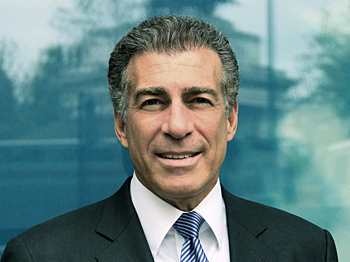
Much of the attention surrounding the acquisition has focused on Steve Varsano's appointment as President of Flexjet. That attention is justified. Few individuals in business aviation have built a personal brand comparable to Varsano's. Through social media, digital content, industry appearances, and a highly public-facing approach to aircraft sales, he helped introduce private aviation to audiences far beyond the industry's traditional circles.
Historically, aircraft brokers operated behind the scenes. Varsano did the opposite. His aircraft walkthroughs, market insights, and educational content attracted millions of views and helped demystify an industry that many people viewed as inaccessible. In doing so, he positioned himself as one of the most recognisable figures in global business aviation.
Operators are no longer competing solely on fleet size or geographic coverage. Customers are demanding comprehensive solutions, personalised experiences, and seamless service
For Flexjet, acquiring The Jet Business means acquiring that influence as well. In luxury industries, visibility increasingly matters. Customer acquisition often begins years before a purchasing decision is made. Brand awareness, trust, and engagement have become strategic assets. Varsano brings all three. While his expertise in aircraft transactions undoubtedly adds value, his ability to communicate with current and future customers may prove equally important in the years ahead.
The immediate assumption is that Flexjet acquired The Jet Business to strengthen its brokerage operations. There is certainly truth in that. Aircraft acquisition and disposition are critical components of the aviation value chain, and The Jet Business has established itself as a respected participant in both areas. However, focusing solely on brokerage misses the broader strategic picture.
Over the past several years, Flexjet has steadily expanded beyond its traditional role as a provider of fractional ownership and private jet services. The company has invested heavily in infrastructure, maintenance capabilities, training facilities, private terminals, fleet expansion, and customer experience initiatives. At the same time, it has sought to position itself not simply as an aviation operator, but as a premium lifestyle and mobility brand.
In business aviation, especially at the ultra-high-net-worth end of the market, trust remains one of the industry's most valuable currencies
The acquisition of The Jet Business fits neatly into that trajectory. It allows Flexjet to participate more directly in the earliest stages of the customer journey—often before an aircraft is purchased—and remain involved through eventual resale or replacement. That continuity creates opportunities that extend beyond individual transactions. Instead of serving customers during a single phase of aircraft ownership, Flexjet can now engage them across a much broader spectrum of services. The result is a more integrated offering and, potentially, stronger long-term customer relationships.
Perhaps the most interesting aspect of the deal is what it says about the future direction of Flexjet. Business aviation is becoming increasingly competitive. Operators are no longer competing solely on fleet size or geographic coverage. Customers are demanding comprehensive solutions, personalised experiences, and seamless service. In response, many aviation companies are expanding their capabilities across multiple segments. The acquisition of The Jet Business reflects this broader industry trend.
By combining aircraft brokerage, acquisition advisory, fleet planning, aircraft management, operational support, maintenance services, and fractional ownership under a single umbrella, Flexjet is steadily constructing what could be described as an aviation ecosystem. The significance of this should not be underestimated.
Aircraft ownership is a complex process involving financing, inspections, management, maintenance, crew oversight, regulatory compliance, and eventual resale. Traditionally, owners relied on multiple providers to manage these responsibilities. A more integrated approach simplifies that experience. For customers, the benefits include convenience and continuity. For Flexjet, it creates recurring engagement opportunities throughout the aircraft lifecycle. In many respects, this may represent one of the most strategically important outcomes of the acquisition.
Another major factor behind the transaction is geography. While Flexjet has long been a dominant force in North America, Europe has become an increasingly important market for the company. The region presents significant opportunities, but it is also highly competitive. Established players such as NetJets and VistaJet maintain strong positions, and customer relationships often play an outsized role in purchasing decisions. This is where The Jet Business becomes particularly valuable.

Its London headquarters, extensive network of industry contacts, and deep understanding of European market dynamics provide Flexjet with immediate advantages. The acquisition also complements Flexjet's broader investments across the region, including the continued development of its operations at Farnborough Airport and the expansion of its European fleet and infrastructure.
Importantly, the deal delivers more than physical presence. It provides local knowledge. In business aviation, especially at the ultra-high-net-worth end of the market, trust remains one of the industry's most valuable currencies. Building that trust takes time. The Jet Business already possesses it. By bringing the company into its organisation, Flexjet gains access to relationships that might otherwise take years to develop.
As President of Flexjet, Steve Varsano will be involved in areas extending well beyond aircraft brokerage. His responsibilities include supporting international growth initiatives, product development, fleet strategy, and broader business expansion efforts. The appointment suggests that Flexjet views him not simply as the founder of an acquired company but as a strategic contributor to its future direction. That distinction matters.
At its core, this deal is not simply about buying and selling aircraft. It is about building a platform capable of serving customers throughout every stage of the ownership journey
The aviation sector is entering a period of transformation. New technologies, evolving customer expectations, sustainability initiatives, and changing ownership models are reshaping the industry landscape. Companies capable of adapting quickly are likely to gain a competitive advantage.
Varsano's experience at the intersection of aircraft sales, customer engagement, and market intelligence positions him to contribute meaningfully to those efforts. His appointment may ultimately become one of the most consequential elements of the acquisition.
For The Jet Business, the transaction offers opportunities that would have been difficult to achieve independently. The aircraft brokerage market is cyclical by nature. Demand can fluctuate significantly depending on economic conditions, interest rates, geopolitical developments, and aircraft availability. Operating within a larger organisation provides stability and access to additional resources.
The company will now benefit from Flexjet's operational infrastructure, global customer base, technical expertise, and broader service offerings. At the same time, Flexjet has indicated that The Jet Business brand will continue operating within the wider organisation. That decision is important.
The Jet Business has built considerable brand recognition and credibility over the past decade. Preserving that identity allows Flexjet to benefit from the company's established reputation while integrating its capabilities into a larger strategic framework.
Corporate acquisitions often generate immediate excitement but deliver mixed long-term results. Success ultimately depends on execution. In this case, however, there appears to be a strong degree of alignment between the two organisations. Both companies operate at the premium end of the market. Both place significant emphasis on customer experience. Both understand the importance of brand value and long-term relationships. And both recognise that modern business aviation is increasingly moving beyond simple transportation solutions.
The acquisition of The Jet Business therefore represents more than an expansion of brokerage capabilities. It strengthens Flexjet's position in Europe, broadens its service portfolio, enhances its visibility among prospective customers, and brings one of the industry's most influential voices into senior leadership.
The true impact of the transaction will become clearer over the coming years. If Flexjet successfully integrates The Jet Business while preserving the entrepreneurial culture and market visibility that made it successful, the acquisition could serve as a blueprint for how private aviation companies evolve in the future.
At its core, this deal is not simply about buying and selling aircraft. It is about building a platform capable of serving customers throughout every stage of the ownership journey. In an increasingly competitive and interconnected business aviation market, that may prove to be the acquisition's most valuable outcome.