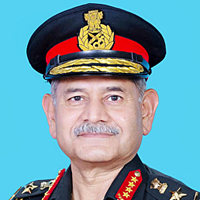
The insightful articles, inspiring narrations and analytical perspectives presented by the Editorial Team, establish an alluring connect with the reader. My compliments and best wishes to SP Guide Publications.
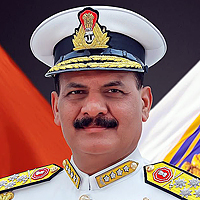
"Over the past 60 years, the growth of SP Guide Publications has mirrored the rising stature of Indian Navy. Its well-researched and informative magazines on Defence and Aerospace sector have served to shape an educated opinion of our military personnel, policy makers and the public alike. I wish SP's Publication team continued success, fair winds and following seas in all future endeavour!"

Since, its inception in 1964, SP Guide Publications has consistently demonstrated commitment to high-quality journalism in the aerospace and defence sectors, earning a well-deserved reputation as Asia's largest media house in this domain. I wish SP Guide Publications continued success in its pursuit of excellence.
The upcoming Wings India 2026 show serves as a pivotal platform for showcasing India’s commitment to the ‘Atmanirbhar Bharat’ vision in aviation. By bringing together global manufacturers and domestic enterprises, the event will showcase India as a burgeoning hub for aircraft design and manufacture, facilitating strategic partnerships and investments necessary to transform the nation into a global aerospace leader.
India’s civil aviation sector is at a strategic inflection point, transitioning from a ‘State of Registry’ to a ‘State of Design and Manufacture’. In a report on building aviation in India, Manish Kumar Jha points towards this shift, anchored in the Bharatiya Vayuyan Adhiniyam, 2024, which replaces century-old laws to streamline domestic aircraft production and licensing. To achieve ‘Atmanirbhar Bharat,’ the government is considering granting ‘infrastructure status’ to aircraft manufacturing to unlock long-term financing. While challenges like high R&D costs and engine dependency remain, initiatives like the proposed Special Purpose Vehicles for regional aircraft aim to establish India as a global aerospace hub.
In an analysis of India’s Business Aviation, Sanjay Julka points out that despite strong demand, India’s business aviation sector faces systemic policy and regulatory hurdles that classify aircraft as luxury items rather than productivity tools. India’s BA sector continues with sluggish growth, with civilian helicopter numbers far below decade-old forecasts. Critical bottlenecks include punitive taxation, lengthy FDI clearances, and a lack of dedicated infrastructure like FBOs. To unlock the sector’s potential, experts advocate for “route-based” taxation, regulatory alignment with global standards, and accelerated development of GIFT City leasing frameworks. Business aviation must be recognized as a strategic resource for national productivity.
In an exclusive interview, Paul Righi, Vice President, Sales and Marketing, Boeing Commercial Planes elaborates that Boeing’s long-term strategy in India centers on building a comprehensive aviation ecosystem rather than just delivering aircraft. With South Asia’s commercial fleet projected to quadruple, Boeing is investing $100 million in pilot training infrastructure and advanced simulators. Beyond fleet expansion, the partnership focuses on safety, quality, and sustainability. By integrating local engineering, MRO capabilities, and skilling programmes like Boeing Kaushal, Boeing positions India as a core pillar of its global operations, ensuring growth is capability-led and enduring.
For Dassault Aviation, customer service is a philosophy that ensures Falcon jets remain mission-ready globally. At the heart of this support is FalconResponse, a 24/7 dedicated AOG (Aircraft on Ground) service that coordinates technicians and spares to minimise downtime. This is complemented by FalconBroadcast, which transmits real-time aircraft health data to allow engineers to anticipate issues before landing. Additionally, the FalconCare program provides owners with predictable maintenance costs. In a detailed report, Rohit Goel highlights that supported by an extensive MRO network and a robust spares logistics chain, Dassault ensures high dispatch reliability and complete peace of mind for operators.
The article on Developing a Sustainable Domestic MRO Ecosystem by Swaati Ketkar reviews the urgent need to build a self-reliant Maintenance, Repair, and Overhaul (MRO) ecosystem within India to support its rapidly expanding fleet. Historically dependent on foreign facilities, India is now implementing regulatory reforms and 100 per cent FDI in MRO services to reverse this trend. Success depends on creating regional MRO hubs, standardising quality systems, and addressing the shortage of trained personnel. By fostering partnerships between domestic firms and global OEMs, India aims to reduce operational costs and import dependency, ultimately transforming its aviation sector into a sustainable, high-tech service provider.
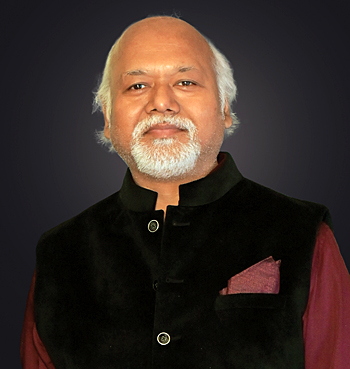
All this and more in this issue of SP’s Aviation. Welcome aboard and we wish you safe landings!