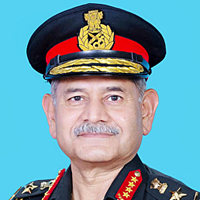
The insightful articles, inspiring narrations and analytical perspectives presented by the Editorial Team, establish an alluring connect with the reader. My compliments and best wishes to SP Guide Publications.
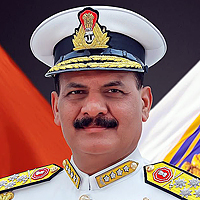
"Over the past 60 years, the growth of SP Guide Publications has mirrored the rising stature of Indian Navy. Its well-researched and informative magazines on Defence and Aerospace sector have served to shape an educated opinion of our military personnel, policy makers and the public alike. I wish SP's Publication team continued success, fair winds and following seas in all future endeavour!"

Since, its inception in 1964, SP Guide Publications has consistently demonstrated commitment to high-quality journalism in the aerospace and defence sectors, earning a well-deserved reputation as Asia's largest media house in this domain. I wish SP Guide Publications continued success in its pursuit of excellence.
The decision between flying for a commercial airline or a charter/private operator isn’t simply about the aircraft or salary—it’s a lifestyle choice that affects everything from job security and schedule predictability to long-term growth and work culture.

As India’s aviation sector continues to surge, pilots today face more diverse career options than ever before. The decision between flying for a commercial airline or a charter/private operator isn’t simply about the aircraft or salary—it’s a lifestyle choice that affects everything from job security and schedule predictability to long-term growth and work culture. In the Indian and broader South Asian context, both career paths come with unique advantages and challenges. Let’s explore each in depth.
THE OPERATING LANDSCAPE
India is home to several major carriers including IndiGo, Air India, Vistara, Akasa Air, and regional players like Alliance Air. These airlines operate under scheduled service rules (Part 121 equivalent), and offer structured career ladders. On the other hand, the charter/private jet space—governed under DGCA’s Part 135 and Part 91 rules—includes luxury charter companies like JetSetGo, Club One Air, Taj Air, and a growing number of corporate and individual jet owners, especially in cities like Delhi, Mumbai, and Hyderabad. Additionally, regional demand in countries like Sri Lanka, Nepal, and the UAE creates a broader operating zone for Indian pilots, particularly in private and business aviation.
JOB ROLE DIFFERENCES
The roles of airline and charter pilots differ significantly. Airline pilots typically operate between major airports, flying fixed routes with the support of a professional dispatch team. Their duties are routine and highly procedural, focused on efficiency, punctuality, and compliance. Charter pilots, however, manage end-to-end operations—from flight planning and customs coordination to passenger interactions and even loading luggage. They often fly into smaller, less-equipped airports across India’s vast interior or to remote destinations like Bhutan or the Maldives. This hands-on role requires a blend of flying skill and concierge-level service.
PROS AND CONS OF AIRLINE FLYING IN INDIA
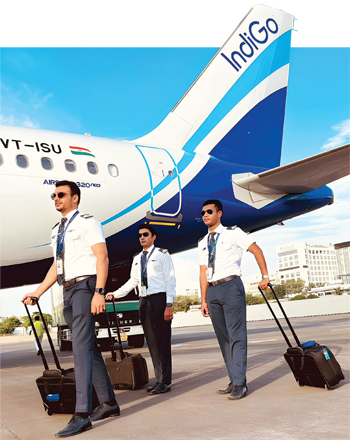
Airline flying in India offers structured growth, job security, and a well-defined path from First Officer to Captain. With new aircraft orders and expanding fleets, particularly from Air India and IndiGo, demand for pilots is set to increase. Airline pilots enjoy consistent training standards, union protection (in some cases), and travel perks such as ID tickets and ZED fare agreements. However, the seniority system can be a double-edged sword—junior pilots may face years of undesirable rosters, high reserve duty, and commuting challenges. Furthermore, the repetitive nature of domestic short-haul flying and growing air traffic congestion at major Indian airports can make daily operations stressful.
PROS AND CONS OF CHARTER/PRIVATE FLYING IN INDIA
Charter and private flying provide a more dynamic work environment. Pilots enjoy faster career progression, including earlier opportunities to captain high-performance jets like the Citation XLS, Phenom 300, or Gulfstream G650. The missions are varied—ranging from high-profile celebrity flights to air ambulance and religious pilgrimages—and often involve luxury accommodations and international destinations. However, this comes at the cost of predictability. On-call schedules, shortnotice departures, and the lack of regulatory consistency across operators can result in fatigue and job instability. Pilots flying for private jet owners may lose their jobs if the aircraft is sold or operations are suspended.
INFRASTRUCTURE, TRAINING, AND PAY
Indian airline pilots generally receive higher pay at senior levels, particularly in international roles. Domestic airline captains earn between ₹6–8 lakh per month, with structured per diem and benefits. Charter pilots earn slightly less on average—₹3–6 lakh per month for captains—though this varies widely depending on the aircraft and employer. Training quality in airlines is typically superior, supported by in-house simulator programmes and regulatory oversight. Charter training, while improving, can be inconsistent and depends heavily on the company’s safety culture and financial investment. Additionally, charter pilots often face operational challenges like flying into uncontrolled airstrips with minimal ground support.
With new aircraft orders and expanding fleets, particularly from Air India and IndiGo, demand for pilots is set to increase
LIFESTYLE CONSIDERATIONS
Lifestyle is perhaps the biggest differentiator. Airline pilots benefit from a more predictable roster (especially at senior levels), longer layovers, and scheduled days off. They’re also more likely to be based in metropolitan hubs, which can aid work-life balance. Charter pilots, while enjoying more exotic destinations and luxury stays, deal with irregular hours, extended duty days, and more customer-facing responsibilities. This lifestyle suits pilots who thrive in unpredictable, high-pressure environments and are comfortable blending aviation with hospitality and discretion.
CHOOSING THE RIGHT PATH
Ultimately, the right choice depends on your personal and professional goals. If you prioritise structured growth, union support, long-haul dreams, and a clear retirement plan, airline flying is the way to go. If, however, you value flexibility, autonomy, luxury travel, and a faster route to command, the charter/ private jet route offers an exciting alternative—though one with more risk and variability. In India, where both sectors are growing rapidly but unevenly, making the right career move requires careful consideration of not just salary, but the broader work culture and lifestyle you want to build.